

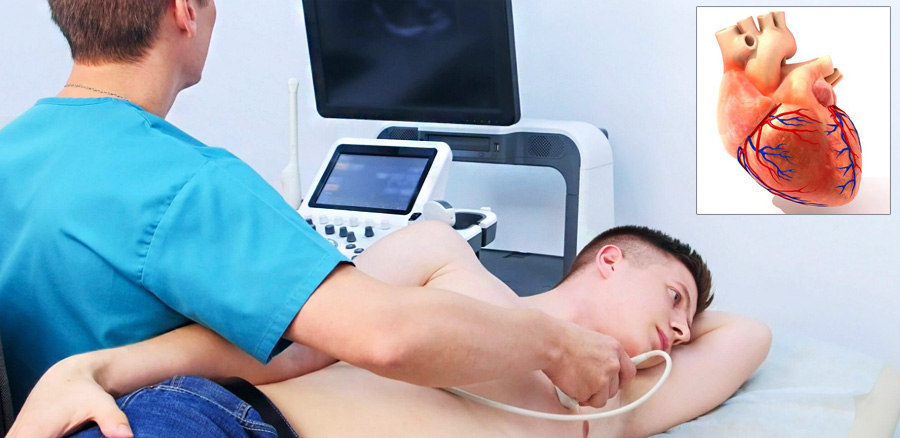
Cardiology, a branch of medical science dedicated to the study and treatment of heart disorders, plays a pivotal role in safeguarding cardiovascular health. It encompasses a wide array of conditions, ranging from coronary artery disease to heart failure. One of the key diagnostic tools in cardiology is echocardiography, a non-invasive imaging technique that utilizes sound waves to create detailed images of the heart's structure and function. Echocardiography is invaluable in assessing the heart's pumping capacity, detecting abnormalities in the heart valves, and identifying any structural defects or anomalies.
In the realm of cardiology, early detection and precise diagnosis are paramount. Echocardiography, with its ability to provide real-time images of the heart, aids cardiologists in formulating accurate diagnoses and tailoring treatment plans to individual patient needs. These detailed images enable healthcare professionals to assess the overall health of the heart chambers, valves, and surrounding tissues, offering crucial insights into the cardiovascular system's functionality.
Furthermore, the integration of technological advancements in echocardiography has revolutionized cardiology practices. Three-dimensional echocardiography and Doppler imaging techniques have enhanced the precision of cardiac assessments, allowing for a more comprehensive evaluation of blood flow patterns and cardiac anatomy. As cardiology and echocardiography continue to advance hand in hand, the potential for early intervention and personalized treatment strategies for cardiovascular conditions becomes increasingly promising, ultimately contributing to improved patient outcomes and a healthier cardiac future.